If you have only ever watched conference talks on a laptop, knowing what to expect at an AI expo in person can be disorienting the first time you walk onto the floor. A world-class AI technology expo is not a single stage but a dense, parallel system: a keynote hall running headline sessions, half a dozen breakout tracks on applied machine learning and MLOps, a sprawling exhibition floor of vendors and startups, hands-on workshops, hackathon corners, and a constant undercurrent of hallway conversations that are often the most valuable part of the whole event. The scale is deliberate. The organisers are betting that putting practitioners, buyers, researchers and investors in the same building for three days produces connections and decisions that Slack threads and webinars never will.
For technical professionals, the trap is treating an expo like a passive content-consumption exercise, sitting through back-to-back talks and leaving with a tote bag and vague notes. The people who extract real value treat it like a sprint with defined objectives: specific vendors to pressure-test, specific problems to find prior art for, and specific humans they want to meet. This ai expo guide walks through what actually happens across a modern AI exhibition, how to plan for it, how to evaluate what you see with an engineer's scepticism, and how to convert three intense days into decisions, hires, partnerships and code that outlives the event.
The anatomy of a modern AI exhibition
A large AI expo is usually organised into four loosely coupled zones, and understanding the map before you arrive saves hours. The keynote or main stage carries the marquee sessions: research directions in foundation models, macro predictions, and the kind of visionary framing that is inspiring but rarely actionable. The breakout tracks are where the practical substance lives, with parallel rooms dedicated to themes like applied generative AI, MLOps and platform engineering, data infrastructure, agents and orchestration, computer vision, and responsible AI governance. Because these run simultaneously, you physically cannot see everything, so triage is unavoidable.
The exhibition floor is the commercial heart: booths ranging from large cloud platforms and infrastructure providers down to two-person startups demoing something built the month before. Interspersed you will find workshop rooms for hands-on labs, a startup or innovation pavilion, and quieter meeting areas designed for scheduled one-to-one conversations. Many events also run a partnering or matchmaking system that lets you request meetings with specific exhibitors or attendees in advance.
The mental model that helps most is to treat the stages as broadcast and the floor as interactive. Talks give you signal on where the field is heading; the floor is where you interrogate that signal against your own stack. If a session sparks a question, the right move is often to walk straight to the relevant booth afterwards and ask the engineer, not the marketer, to show you how it actually works.
Plan before you badge in: goals, agenda and logistics
The difference between a productive expo and an exhausting one is almost entirely decided before you arrive. Start by writing down three to five concrete objectives. These should be specific enough to act on: for example, evaluate two vector database options for a retrieval pipeline, find an experiment-tracking approach that suits a small team, understand how peers are handling evaluation for agent systems, and recruit for one open ML engineering role. Vague goals like network or learn about AI produce vague outcomes.
Next, build a realistic agenda from the published schedule. A common first-time mistake is booking every slot; leave at least a third of your day unstructured for floor time and follow-up conversations, because the best opportunities are rarely on the timetable. Prioritise sessions where the speaker is a hands-on practitioner describing something they shipped over sessions that are clearly thought-leadership set pieces. If two strong talks clash, pick one and check later whether recordings are available, which many expos now provide.
Logistics quietly determine your energy budget. Comfortable shoes, a portable battery pack, refillable water, and blocking short recovery windows matter more than they sound when you are walking a large venue for nine hours. Download the event app early, pre-request any partnering meetings before the popular slots fill, and if you are travelling internationally to something in a major hub, factor in jet lag when scheduling the sessions you most want to be sharp for.
Reading the exhibition floor like an engineer
The exhibition floor rewards a structured pass rather than a random wander. On your first lap, walk the whole floor quickly without stopping for full demos, noting which booths are worth a proper return visit. This prevents the common failure mode of spending forty minutes at the first interesting booth and never reaching the far corners where smaller, more innovative startups are often placed. On the second lap, go deep only on the shortlist that maps to your written objectives.
When you do stop, get past the pitch quickly by asking to see the product doing the specific thing you care about, with your kind of data if possible. Good questions cut through marketing fast: what does this look like at production scale, how does latency behave under concurrency, what is the failure mode when the model is uncertain, how do you handle evaluation and regressions, and what does the integration actually require from our side. If the person at the booth cannot answer technical questions, politely ask to speak with an engineer or to book a follow-up; serious vendors staff their booths with people who can go deep.
Be deliberate about the demo trap. Live demos are curated to succeed, so treat a smooth demo as necessary but not sufficient. The signals that actually predict whether something will work for you are the boring ones: clear documentation, sensible defaults, transparent pricing, an honest account of limitations, and a roadmap that matches your timeline. A vendor who volunteers what their tool is bad at is usually more trustworthy than one who claims it does everything.

Past Speakers
Previous editions of World AI Technology Expo Dubai have brought together senior AI practitioners and leaders. Speakers below are shown for reference from previous editions; the 2027 line-up will be announced ahead of the event.

Nitin Akarte

Akshay Singh Dalal

James Hunter
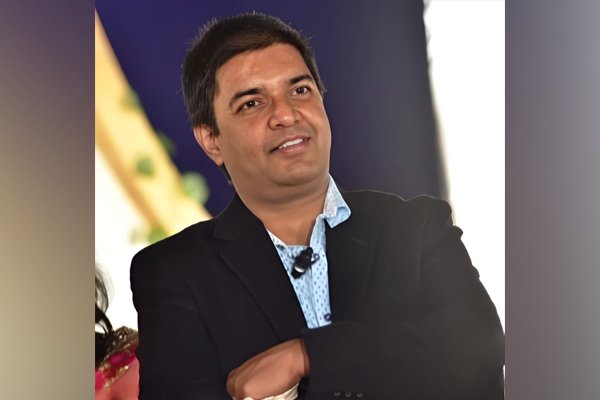
Abhinav Sharma
Getting the most from talks and workshops
Talks vary enormously in density, and calibrating your expectations prevents disappointment. Keynotes are for direction and vibe, not detail; breakout technical sessions are where you should take real notes; and workshops are where you actually build skill. If your goal is to genuinely learn a technique rather than be told it exists, prioritise the hands-on labs even though they cost more time, because muscle memory from typing the code beats passively watching slides.
For each session, capture notes in a way that produces action rather than a wall of text. A simple structure works well: what was claimed, what surprised me, and what I will do about it. That third column is what makes the notes worth anything a week later. When a speaker references a technique, an architecture pattern or an evaluation method, write it down as a follow-up to investigate rather than pretending you will remember it.
Do not underestimate the value of the question-and-answer sessions and the corridor immediately after a talk. This is your chance to ask the practitioner the specific version of their generic point: how does your approach hold up when the data is messier, or what did you try that did not work. Speakers are often far more candid in a two-minute hallway exchange than they were on stage, and those unfiltered answers are frequently the most useful thing you take home.
Networking that actually compounds
Networking is the word people dread, but at an AI conference the useful version is simply finding people wrestling with the same problems you are. The highest-value conversations tend to be with fellow practitioners rather than salespeople: an engineer who already built the pipeline you are scoping can save you weeks by telling you which approach quietly failed for them. Approach it as information exchange, not transaction. Lead with a genuine question about how they solved something, and the relationship follows.
Be strategic about the mix of people you seek out. Peers give you honest technical signal and future collaborators; vendors give you options to evaluate; and at the right kind of event, investors and partners can change the trajectory of a project or company. Professionals working on this can meet exactly those peers, vendors and investors and go deeper at World AI Technology Expo Dubai (07-09 April 2027, Millennium Plaza Downtown Hotel, Dubai), which is the sort of gathering built around putting those groups in the same rooms.
Handle follow-up like an engineer handles a backlog. Collect contacts as you go, but add a one-line note about who each person was and why they mattered, because by day three every conversation blurs. Within a few days of getting home, send short, specific follow-ups referencing what you actually discussed rather than a generic nice to meet you. A single well-targeted message that references the exact problem you talked about is worth more than fifty connection requests with no context.
Evaluating vendors and tools without getting sold
An expo compresses months of vendor discovery into a few days, which is powerful and dangerous in equal measure. The advantage is that you can compare competing approaches side by side in the same afternoon and ask each vendor the same set of pointed questions. The danger is that the environment is engineered for enthusiasm, and it is easy to leave with a shortlist shaped by booth charisma rather than technical fit.
Bring a consistent scorecard so comparisons are fair. Useful axes include integration effort with your existing stack, scalability and latency characteristics, quality of documentation and developer experience, evaluation and observability support, pricing transparency, security and data-handling posture in generic terms, and the maturity of the surrounding community. Scoring every serious vendor against the same rubric turns a blur of impressions into a defensible recommendation you can take back to your team.
Resist the urge to commit on the floor. The correct output of an expo vendor conversation is usually a scoped proof-of-concept plan, not a signature. Ask for trial access, sample data compatibility, and a technical point of contact, then validate the claims against your real workload after the adrenaline wears off. Anything that only works in the booth environment and cannot survive a two-week pilot on your data was never going to work in production anyway.
After the expo: turning three days into ROI
The value of an expo is realised in the two weeks after it ends, and most people leave that value on the table by never processing their notes. Block time on your calendar for the week you return specifically to consolidate. Turn your scattered captures into a short internal write-up: the three or four trends worth watching, the vendors worth piloting, the techniques worth prototyping, and the people worth staying in touch with. Sharing this with your team multiplies the return, because one person attending can upskill many.
Convert intentions into tracked work immediately. The follow-up investigations you noted during talks should become tickets or spikes with an owner, or they will evaporate. If you identified two candidate tools, schedule the proofs-of-concept before your context fades. If you met a strong potential hire, move quickly while the conversation is warm. Momentum decays fast once normal work resumes, so the first week back is where discipline pays off.
Finally, run a brief personal retrospective so the next event is better. Which sessions were worth it and which were filler, which questions unlocked the best conversations, and what you would plan differently. Over a couple of events you develop a personal playbook for what to expect at an AI expo and how you specifically get the most from one, at which point these gatherings stop being overwhelming and start being one of the highest-leverage few days in your professional year.
Inside the event
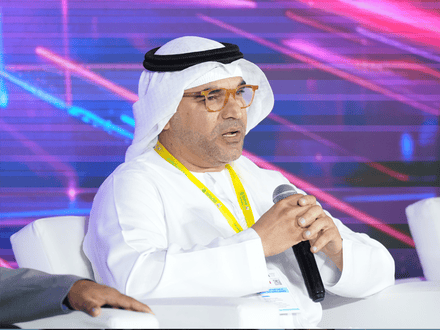
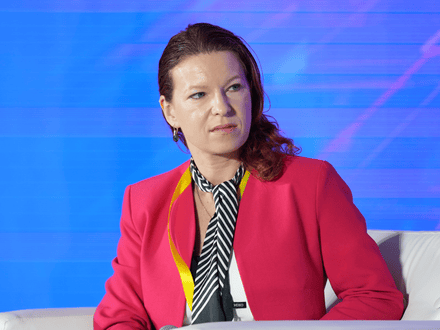
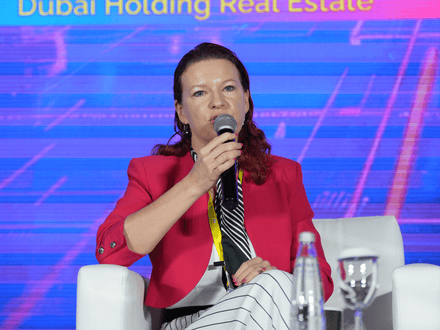
A glimpse of the atmosphere from previous editions — keynotes, the exhibition floor and the networking that defines World AI Technology Expo Dubai.


Key takeaways
- Treat an AI expo as a goal-driven sprint, not passive content consumption: write three to five concrete objectives before you arrive.
- Stages are broadcast and the floor is interactive; use talks for direction and booths to pressure-test that direction against your own stack.
- Do a fast first lap of the exhibition floor, then go deep only on the vendors that map to your objectives, and ask to speak with engineers, not just marketers.
- Score every serious vendor against a consistent rubric covering integration, scale, docs, evaluation, pricing and security so comparisons are fair.
- The highest-value conversations are with fellow practitioners solving the same problems; lead with a genuine question, then follow up specifically within days.
- Most of the ROI is captured after the event: consolidate notes, convert follow-ups into owned tickets, and run a personal retrospective.
Frequently asked questions
Write down three to five specific objectives, then build a realistic agenda that leaves at least a third of each day unstructured for the floor and hallway conversations. Pre-request any one-to-one meetings early, download the event app, and prioritise hands-on workshops and practitioner-led breakouts over pure thought-leadership keynotes. Sort out logistics like comfortable shoes and a battery pack, because energy management shapes how much you actually absorb.
Score every serious vendor against the same rubric: integration effort, scalability and latency, documentation quality, evaluation and observability support, pricing transparency, and data-handling posture. Ask to see the product doing the specific thing you care about, ideally with your kind of data, and treat a smooth demo as necessary but not sufficient. Leave with a scoped proof-of-concept plan rather than a signature, and validate the claims against your real workload afterwards.
They serve different purposes. Talks, especially keynotes, are best for direction and spotting where the field is heading, while breakout technical sessions and workshops build genuine understanding. The exhibition floor and the hallway conversations are where you interrogate that signal against your own stack and meet the people who can save you weeks of work, so most experienced attendees give the floor and networking generous time.
Focus on finding practitioners wrestling with the same problems and lead with a genuine question about how they solved something rather than a sales-style pitch. Capture a one-line note about who each contact was and why they mattered, because conversations blur by day three. Then send short, specific follow-ups within a few days that reference exactly what you discussed.
Block time in the week you return to consolidate your notes into a short internal write-up of trends, vendors to pilot, techniques to prototype and people to stay in touch with. Convert follow-up investigations into tracked tickets or spikes with owners before your context fades, and schedule any proofs-of-concept quickly. A brief personal retrospective makes each subsequent event more efficient.