Securing AI startup funding in the Middle East has become a distinct discipline, different enough from Silicon Valley or European fundraising that founders who copy a generic playbook tend to stall. The region combines deep pools of sovereign and family capital, aggressive government incentives, and a genuine appetite for applied artificial intelligence, but it also rewards founders who understand local structures, regulatory zones and the pace at which relationships convert to term sheets. If you are a technical founder or an engineering leader spinning out a product, the mechanics of raising here are learnable, and getting them right can be the difference between an 18-month grind and a clean round.
This guide is written for practitioners: ML and AI engineers, data scientists and CTOs who are strong on product but newer to capital markets. It covers where the money actually comes from, how gulf venture capital investors evaluate AI companies, the trade-offs of different funding sources, and the concrete steps to prepare a raise. The goal is not hype about the size of the opportunity, which is real, but a clear-eyed map you can act on, whether you are pre-seed with a demo or scaling a Series A across multiple markets.
Understand the funding landscape before you pitch
The Middle East is not a single market, and treating it as one is the first mistake founders make. Mena startup funding flows through several distinct channels: institutional venture capital funds, corporate venture arms of large regional groups, government-backed funds and accelerators, angel networks anchored by successful operators, and family offices that historically invested in property and are now allocating to technology. Each has a different mandate, cheque size and decision speed. Sovereign-linked capital tends to move on strategic priorities such as national AI programmes, while family offices move on trust and personal conviction.
Geographically, the Gulf states dominate deal value, with the United Arab Emirates and Saudi Arabia accounting for the majority of large rounds, followed by Egypt as the largest talent and consumer market. Smaller ecosystems in Qatar, Bahrain, Kuwait and Oman are growing and often offer less competition for grant and accelerator capital. For AI specifically, investors are drawn to companies that apply foundation models to sectors the region cares about: financial services, logistics, healthcare operations, government services, energy and Arabic-language products where global tooling underperforms.
Before you take a single meeting, map which of these channels fits your stage. A pre-seed team with a working prototype should prioritise accelerators, angels and government grants; those sources are more forgiving of early metrics and provide the introductions that compound later. Reserve institutional gulf venture capital conversations for when you have signal to show, because a premature no from a small pool of funds is expensive to reverse.
How gulf venture capital investors evaluate AI companies
Regional investors have grown more sophisticated about artificial intelligence, and the days of raising on a wrapper around a general-purpose model are largely over. Expect scrutiny on what is genuinely defensible. The strongest questions probe your data advantage: do you have proprietary or hard-to-replicate data, exclusive distribution, or a workflow so deeply embedded that switching costs are real? If your entire product could be rebuilt by a competent team in a weekend on top of a public foundation model, sophisticated investors will notice.
Unit economics around inference are now a live diligence topic. Be ready to explain your cost per query, how it scales with usage, and how you manage it, whether through smaller fine-tuned models, caching, retrieval over vector databases, or routing cheap requests away from expensive models. Founders who can articulate a path from high early inference costs to sustainable margins signal operational maturity. Vague answers about 'costs coming down over time' read as a lack of engineering ownership.
Finally, regional investors weigh distribution heavily. A recurring pattern in ai investment Middle East activity is that funds favour teams with a credible route into government contracts, large regional corporates, or an underserved language and cultural niche. Demonstrating a signed pilot, a letter of intent, or a warm channel into a ministry or a bank often moves an investor more than a marginal improvement in model benchmarks. Come with evidence that you can sell here, not only build.
Government programmes, grants and free zones
One feature that genuinely distinguishes the region is the scale of non-dilutive and quasi-dilutive government support. Several Gulf governments run national AI strategies backed by dedicated funds, incubators and residency-linked incentives. These can provide grants, subsidised office space, cloud credits on major cloud platforms, and structured introductions to public-sector buyers. For a capital-efficient AI team, stacking a grant with a small angel round can extend runway meaningfully without heavy dilution early on.
Free zones deserve particular attention when raising capital in Dubai and elsewhere in the UAE. Technology-focused free zones offer full foreign ownership, streamlined company formation, and startup licences designed for founders. Choosing the right zone affects your ability to sign contracts with certain customers, sponsor visas for a distributed engineering team, and satisfy the domicile preferences of investors. Some funds prefer to invest into a specific holding structure, so align your incorporation with your fundraising plan rather than incorporating hastily and restructuring later.
The trade-off with government-linked capital is speed and strings. Grants often carry reporting requirements, local hiring or spend commitments, and slower disbursement than a venture cheque. Read the obligations carefully and budget for the administrative overhead. Used well, these programmes are among the best-value capital available anywhere; used carelessly, they can lock you into commitments that complicate a later priced round.
Past Speakers
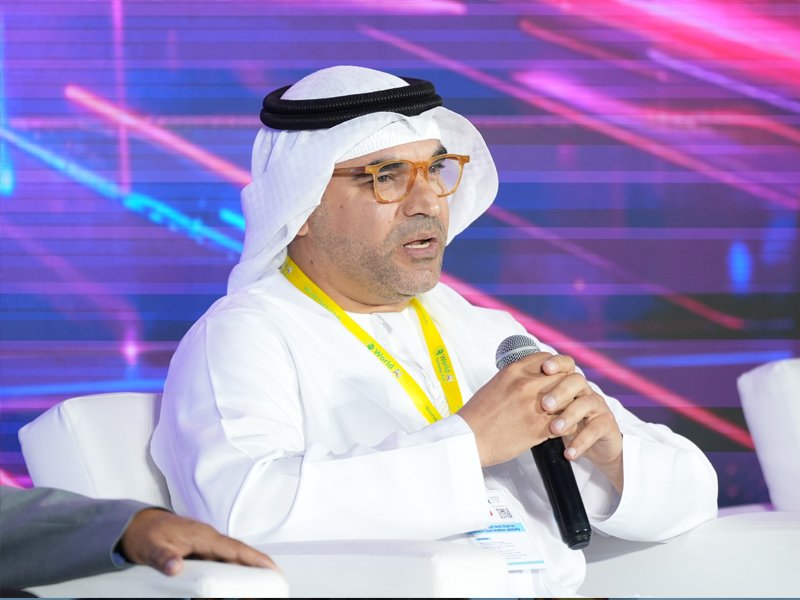
Previous editions of World AI Technology Expo Dubai have brought together senior AI practitioners and leaders. Speakers below are shown for reference from previous editions; the 2027 line-up will be announced ahead of the event.
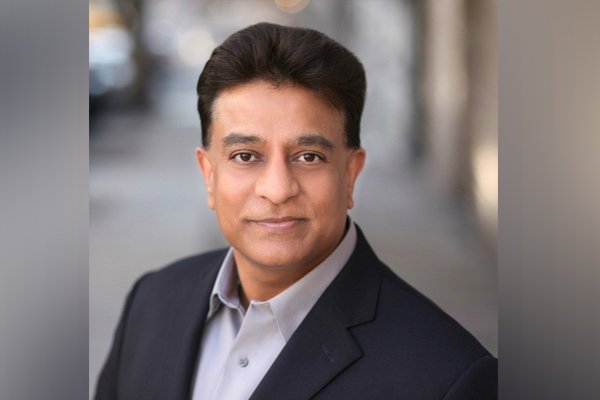
Nitin Akarte

Akshay Singh Dalal
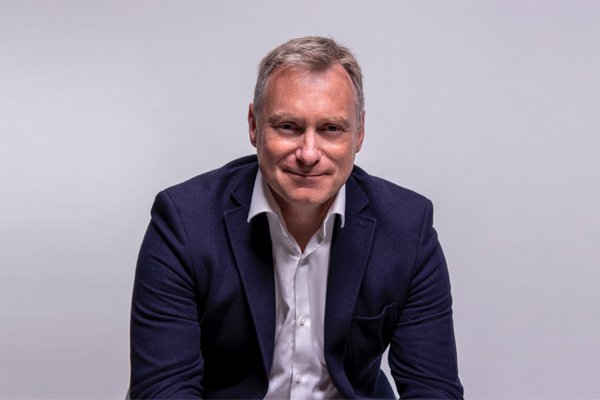
James Hunter
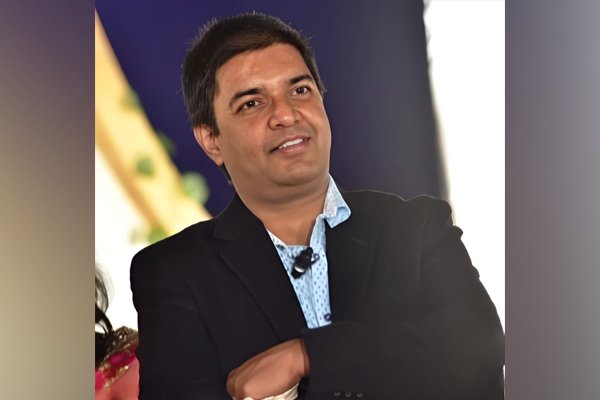
Abhinav Sharma
Choosing the right funding source for your stage
Match the instrument to the moment. At pre-seed, convertible instruments such as simple agreements for future equity are increasingly common and let you raise quickly from angels without negotiating a full priced round. They suit AI teams that need to fund an expensive first phase of model development and data acquisition before valuation can be sensibly set. Keep your cap table clean and avoid stacking too many notes with conflicting terms, which becomes a headache at your first priced round.
At seed and Series A, priced equity rounds led by an institutional fund become the norm, and here the choice of lead investor matters more than the headline valuation. A lead with genuine regional networks, follow-on capital and operational help is worth more than a slightly higher number from a passive cheque. Consider whether a corporate venture arm makes sense: strategic investors can unlock distribution and pilots, but they can also complicate future rounds if their terms include rights of first refusal or exclusivity that scare off other funds.
Debt and revenue-based financing are maturing in the region and can be sensible for AI companies with predictable recurring revenue, letting you fund growth without dilution. They are inappropriate before you have reliable cash flows. As a rule of thumb, use equity to fund uncertainty and research, and use debt to fund known, repeatable growth. Being deliberate about this distinction protects your ownership and keeps your options open.
Building a technical narrative investors trust
Technical founders often over-index on model sophistication in their pitch and under-invest in the story that connects technology to a durable business. Investors are not buying your architecture; they are buying the outcome it produces and your ability to defend it. Frame your deck around the problem, the wedge, and why your approach compounds, then let the technical depth support that narrative rather than lead it. A one-line explanation of your moat that a non-technical partner can repeat to their investment committee is worth more than a diagram of your pipeline.
That said, you should be ready to go deep when asked. Prepare clear answers on how you evaluate model quality, how you handle failure modes and hallucination in production, your approach to data governance and where data resides, and how your system degrades gracefully. If you use an agent framework or orchestrate multiple models, be able to justify the added complexity in terms of user value, not novelty. Demonstrating that you track experiments rigorously and monitor production behaviour signals that you can operate at scale, which de-risks the investment.
Founders often ask where these conversations begin, and the honest answer is that warm relationships built over months outperform cold outreach in this region. Industry gatherings are a practical venue: professionals working on exactly these questions can meet peers, vendors and investors and go deeper at World AI Technology Expo Dubai, held 07 to 09 April 2027 at the Millennium Plaza Downtown Hotel, Dubai. Treat such events as pipeline-building, not one-shot pitching, and follow up with substance.
Practical steps to prepare your raise
Start by defining exactly how much you need and what it buys. Build a milestone-based plan: state the specific technical and commercial goals the round funds, such as reaching a target of paying pilots, shipping a production-grade version of your model pipeline, or hiring key engineering roles. Investors respond to raises framed around clear inflection points rather than a round number attached to a runway. Work backwards from the metrics that would justify your next round, and size this one to reach them with a margin.
Assemble a tight data room before you begin outreach so momentum is not lost mid-process. At minimum, have a concise deck, a financial model with your inference-cost assumptions made explicit, a summary of traction and pipeline, your incorporation and cap table details, and short technical documentation of your architecture and data handling. Being organised signals operational competence and shortens diligence, which matters in a market where a slow process can let enthusiasm cool.
Run the raise as a structured process rather than an ad hoc series of chats. Build a target list segmented by fit and stage, aim to start conversations in parallel so you can create healthy tension, and track every interaction. Expect the regional pace to blend fast initial enthusiasm with slower final commitment, often gated by relationship-building and, for some funds, internal or committee timelines tied to the local calendar. Plan for a process measured in months and keep building product throughout, because visible progress during a raise is the most persuasive asset you have.
Common pitfalls and how to avoid them
The most frequent mistake is treating the region as a quick source of easy money. Capital is available, but it is allocated by people who increasingly know the difference between a real AI company and a thin layer over a public model. Founders who arrive with inflated valuations anchored to unrelated markets, or who cannot answer basic questions about margins and defensibility, burn credibility fast in a small ecosystem where investors talk to each other.
A second pitfall is misaligned incorporation and structure. Founders sometimes set up in a jurisdiction that later proves incompatible with a target investor's requirements or a key customer's procurement rules, forcing a costly restructure mid-raise. Decide your structure with your fundraising and go-to-market plan in view. Because rules around company formation, ownership and cross-border operations vary by jurisdiction and change over time, engage qualified local corporate and tax advisers early rather than relying on secondhand summaries.
Finally, do not neglect follow-through on relationships. Because so much regional capital moves on trust, a strong first meeting that is never nurtured is a wasted opportunity. Keep warm investors updated with brief, substantive progress notes even when you are not actively raising, so that when you do open a round, you are reconnecting rather than cold-starting. The founders who raise most smoothly here are usually the ones who have been quietly compounding relationships for a year before they need the cheque.
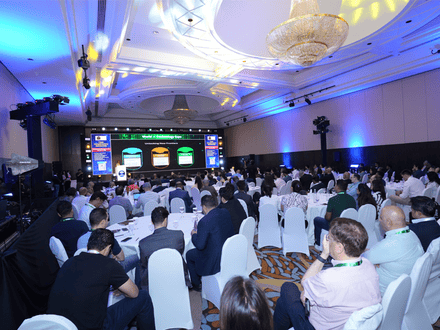
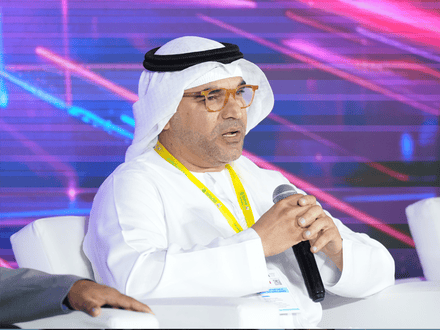
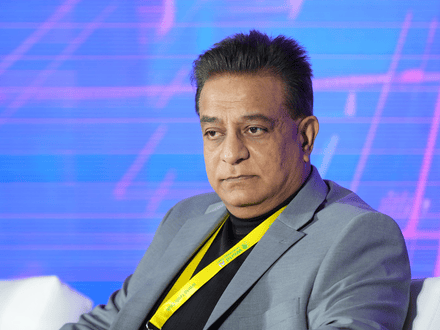
Inside the event
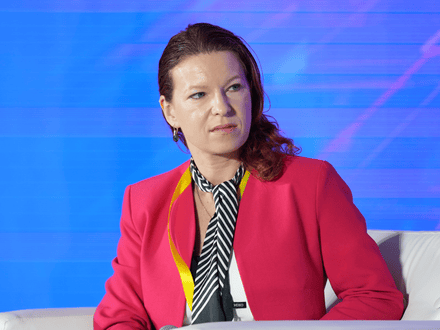
A glimpse of the atmosphere from previous editions — keynotes, the exhibition floor and the networking that defines World AI Technology Expo Dubai.


Key takeaways
- The Middle East is several distinct markets: match your funding channel to your stage, with grants and angels early and institutional gulf venture capital once you have signal.
- Regional investors now probe AI defensibility, inference unit economics and distribution far more than model novelty, so prepare concrete answers on all three.
- Government programmes and technology free zones offer unusually strong non-dilutive support, but come with reporting and local-commitment strings worth budgeting for.
- Align your incorporation and structure with your fundraising and go-to-market plan from the start to avoid costly restructuring mid-raise.
- Run your raise as a structured, milestone-based process with a ready data room, and expect a timeline measured in months gated by relationship-building.
- In a small ecosystem where investors talk, credibility and warm relationships compound; nurture investor relationships long before you need the cheque.
Frequently asked questions
It flows through institutional venture funds, corporate venture arms of large regional groups, government-backed funds and accelerators, angel networks, and family offices increasingly allocating to technology. The Gulf states, particularly the UAE and Saudi Arabia, dominate deal value, with Egypt as a major talent and consumer market. Each source has a different mandate, cheque size and decision speed, so match your outreach to your stage.
They focus on defensibility, unit economics and distribution. Expect questions about your proprietary data advantage, your cost per inference and path to sustainable margins, and your credible route to regional customers such as government bodies or large corporates. Model sophistication alone rarely wins a term sheet without a durable business case behind it.
Yes. Dubai offers technology-focused free zones with full foreign ownership and streamlined startup licensing, plus significant government incentives and cloud credits. The pace often blends fast early enthusiasm with slower final commitment gated by relationship-building, so plan for a process measured in months and align your incorporation structure with your fundraising plan early.
Several Gulf governments run substantial grant, incubator and residency programmes that can provide capital, subsidised space and cloud credits, which stack well with a small angel round to extend runway. The trade-offs are slower disbursement and obligations such as local hiring or reporting, so read the terms and budget for the administrative overhead before committing.
Use equity to fund uncertainty and research, such as early model development and data acquisition where valuation is hard to set, and use debt or revenue-based financing to fund known, repeatable growth once you have predictable recurring revenue. Applying debt before reliable cash flows exist is risky, while over-relying on equity for predictable growth costs unnecessary dilution.